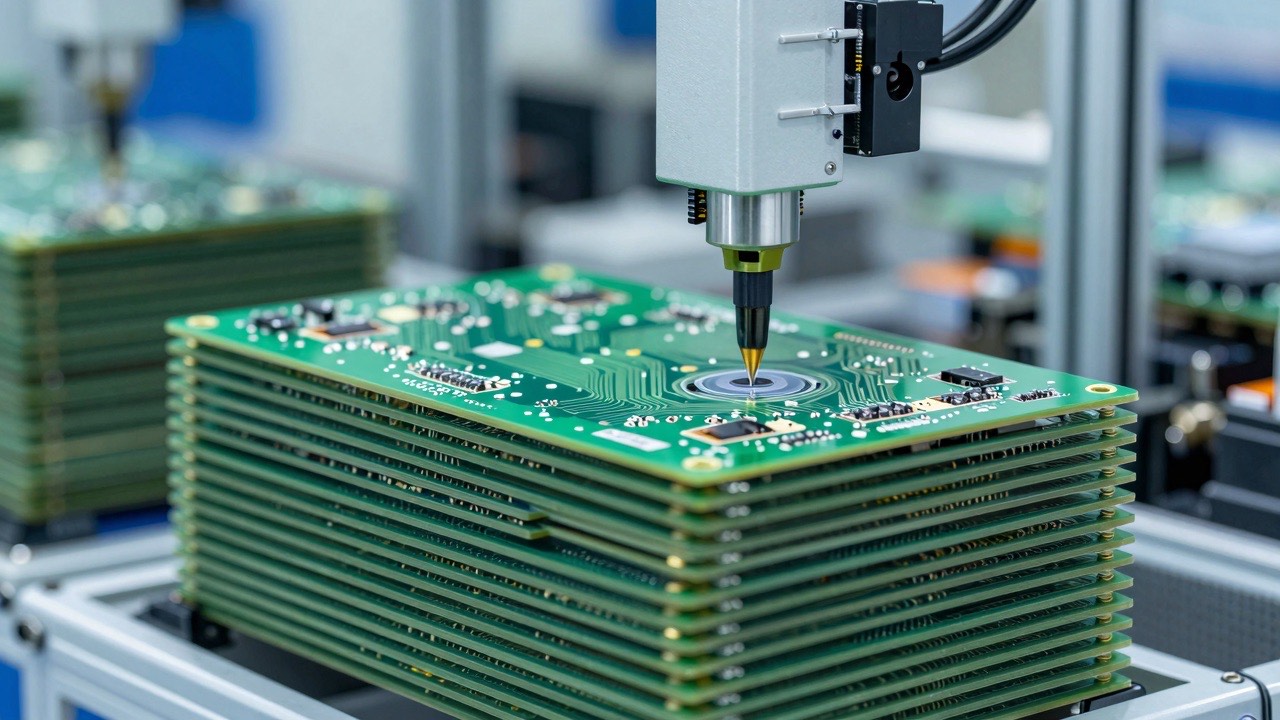
A decade ago, halogen-free flame retardancy in electronics was a compliance chore forced by WEEE and RoHS. In 2026 it is a marketing feature: leading consumer brands advertise 'halogen-free' housings and boards the way they advertise battery capacity. Behind that shift lies a maturing phosphorus chemistry portfolio.
PCB Laminates: Reactive DOPO Is the Default
DOPO's P–H bond reacts directly into epoxy chains, so the flame retardant cannot migrate, bloom or reach solder joints. At 2–3% phosphorus content, DOPO-modified laminates reach UL 94 V-0 while preserving the glass transition temperature that additive FRs destroy — the reason every major CCL producer now offers DOPO-based systems.
Housings and Internal Parts: Oligomeric Phosphates Dominate
- PX-200 (resorcinol-based) delivers the best balance of hydrolytic stability and cost in PC/ABS.
- BDP (bisphenol-A based) offers the lowest volatility for thin-wall, high-temperature applications.
Both replace decabrominated systems without the density penalty — a saved 8–10% part weight that designers increasingly value.
Selection Guidance Has Matured
The old rule of thumb — 'phosphate FR kills impact strength' — applied to low-molecular phosphates like TPP. Modern oligomeric grades at 10–14% loading keep PC/ABS impact strength within 15% of unmodified resin. The critical specification to negotiate with your supplier is hydrolytic stability (acid formation over time), which separates consistent batches from the rest.
Aolong supplies the full phosphorus portfolio — DOPO, DOPO-HQ, PX-200, BDP, APP and MPP — with batch GPC data on oligomeric grades. For a formulation review with our engineers, send your resin system and target UL rating to info@aolongchemical.com.